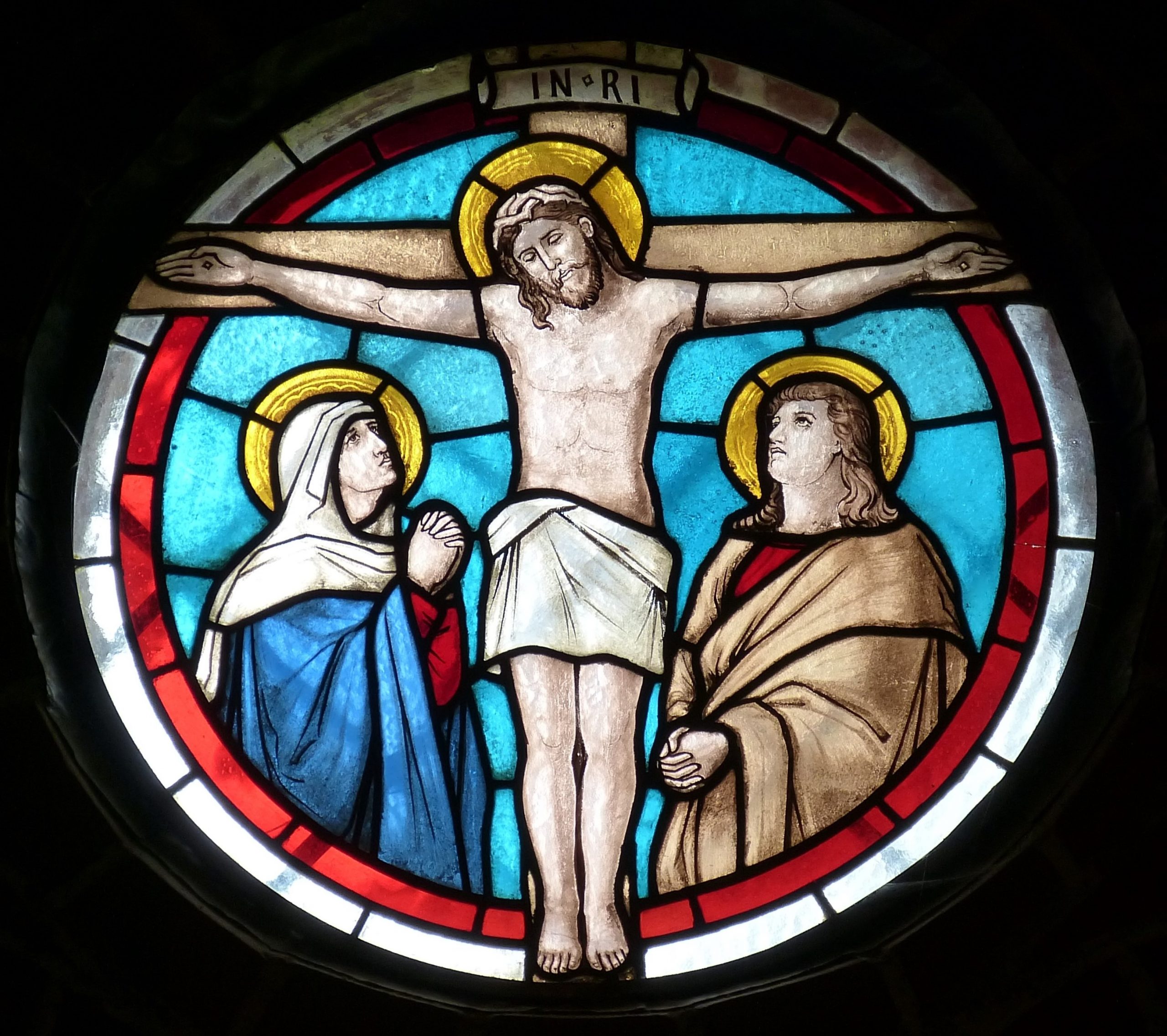
The Profound Echoes of the Cross: Unpacking the Seven Last Sayings of Jesus
The final moments of Jesus Christ on the cross are not merely a historical account of suffering; they are a profound theological and emotional testament. His last utterances, recorded across the Gospels, offer an unparalleled glimpse into the heart of the Son of God during His most agonizing human experience. These "seven last sayings" encapsulate themes of love, anguish, forgiveness, obedience, and the triumphant completion of His divine mission. For centuries, believers and seekers alike have pondered their depth, asking:
What are the 7 last sayings of Jesus, and what profound truths do they convey about His sacrifice and our redemption?
These words, spoken amidst unimaginable torment, provide powerful insights into Jesus' character, His relationship with the Father, His love for humanity, and the ultimate purpose of His crucifixion. They challenge us to reflect on the meaning of sacrifice, the power of forgiveness, and the certainty of salvation.
Unveiling Each of the Seven Last Sayings of Jesus
The Gospel writers, in their unique perspectives, collectively present these seven powerful declarations. Each saying is a window into a different facet of Jesus' suffering and resolve, offering invaluable lessons for all who seek to understand His divine purpose.
1. "Father, forgive them, for they know not what they do." (Luke 23:34)
This initial cry from the cross sets an extraordinary tone of unconditional love and radical forgiveness. As Roman soldiers gambled for His garments and onlookers mocked Him, Jesus' heart went out to His persecutors. He understood their spiritual blindness, recognizing that their actions, while horrific, stemmed from ignorance of His true identity and the gravity of their sin. This saying is a cornerstone of Christian ethics, challenging us to extend grace even to our enemies and illustrating the very nature of divine love that seeks reconciliation over retribution. It reminds us that true forgiveness acknowledges the offense but chooses to release the offender, mirroring God’s immense mercy towards us.
2. "Truly, I say to you, today you will be with me in Paradise." (Luke 23:43)
Beside Jesus, two criminals were crucified. One scoffed, but the other, recognizing Jesus' innocence and divine authority, pleaded, "Jesus, remember me when you come into your kingdom." Jesus’ immediate, compassionate response offered not only solace but also the promise of instantaneous salvation. This declaration underscores the power of faith, even at the eleventh hour, and the boundless grace of God. It affirms that salvation is a gift received through belief, not earned through good works, offering profound hope to anyone who turns to Christ, regardless of their past. It also gives us a glimpse into the spiritual reality following death, assuring us of a presence with God in "Paradise."
3. "Woman, behold, your son!" Then he said to the disciple, "Behold, your mother!" (John 19:26-27)
Even in His most excruciating physical and spiritual agony, Jesus demonstrated profound human care and concern for His family. Seeing His mother, Mary, and the disciple John standing near the cross, Jesus made arrangements for her future well-being. He entrusted Mary to John's care, effectively establishing a new family bond. This act reveals Jesus' deeply human side, His love for His mother, and His commitment to ensuring her protection. It serves as a powerful reminder of the importance of family, community, and our responsibility to care for one another, especially those vulnerable or grieving. It speaks to the practical implications of love even in dire circumstances.
4. "My God, My God, why have you forsaken me?" (Matthew 27:46; Mark 15:34)
This heart-wrenching cry, echoing Psalm 22:1, is perhaps the most difficult to comprehend. It reveals the unimaginable spiritual anguish Jesus experienced as He bore the full weight of humanity's sin. In that moment, the perfect communion of the Trinity was momentarily broken as God the Father, who is too holy to look upon sin, turned away from His Son. This profound sense of abandonment was not a cry of doubt in God's existence, but a deep expression of suffering as Jesus truly became sin for us (2 Corinthians 5:21). It underscores the immense cost of redemption and the depths of the sacrifice required to atone for our transgressions, showing the true horror of sin's separation from God.
5. "I thirst." (John 19:28)
This simple, powerful statement highlights Jesus' very real humanity and the intense physical suffering of crucifixion. Dehydration was an agonizing reality of this brutal form of execution. This expression of thirst also fulfills Old Testament prophecy, specifically Psalm 69:21, which speaks of receiving sour wine for thirst. Beyond the physical, some interpret this as a deeper spiritual thirst – a longing for the completion of His mission, or even a thirst for justice and the salvation of souls. Regardless, it grounds His suffering in tangible reality, reminding us that Jesus fully experienced human pain and weakness, making His sacrifice all the more relatable and profound.
6. "It is finished." (John 19:30)
These three words, "Tetelestai" in Greek, are a triumphant declaration rather than a sigh of resignation. In ancient times, this word was often inscribed on receipts to indicate that a debt had been paid in full. With this powerful statement, Jesus affirmed that His mission to atone for humanity's sins was gloriously accomplished. The Old Covenant's sacrificial system, which merely foreshadowed His coming, was now rendered complete and unnecessary. Sin's power was broken, and the way to God was fully opened for all who believe. This declaration signifies the completeness and efficacy of His work on the cross, ensuring that our salvation is not dependent on our efforts but on His perfect sacrifice. To dive deeper into this pivotal saying, consider reading
What Jesus' Final Words Reveal About His Sacrifice.
7. "Father, into your hands I commit my spirit." (Luke 23:46)
Jesus' final utterance is one of ultimate trust and serene surrender. Quoting Psalm 31:5, He consciously and willingly committed His spirit back into the hands of His Heavenly Father. This was not a desperate plea but a confident act of obedience and faith, demonstrating His unwavering trust in God even unto death. It shows His perfect union with the Father and His peaceful acceptance of His impending physical demise. This saying offers profound comfort and an example for believers facing their own mortality, revealing a peaceful transition rooted in faith and trust in a loving God.
The Enduring Legacy of Christ's Final Words
The seven last sayings of Jesus on the cross are more than just historical utterances; they are living words that continue to resonate through centuries. They paint a comprehensive picture of Jesus as both fully God and fully human – experiencing profound physical pain, spiritual abandonment, and deep human emotions, yet always in perfect obedience and love. They affirm the depth of God's love for humanity, the complete payment for sin, and the accessible path to salvation.
These sayings challenge us to embrace forgiveness, to trust in God's saving grace, to care for one another, and to live lives that reflect the selfless love demonstrated on the cross. Understanding these words deeply enriches our faith and provides a foundation for living a life transformed by Christ's sacrifice. For a more comprehensive exploration of their impact, explore
Understanding Jesus' Seven Last Sayings from the Cross.
Conclusion
The seven last sayings of Jesus are a profound spiritual legacy, encapsulating the very essence of His being and mission. From the depths of agonizing forgiveness to the heights of triumphant completion, these words reveal the boundless love, unimaginable anguish, and steadfast obedience that defined Christ's ultimate sacrifice. As we reflect on
what are the 7 last sayings of Jesus, we are called not merely to remember them, but to allow their power to transform our lives, fostering deeper faith, radical forgiveness, and an unwavering trust in the finished work of our Savior. They stand as eternal proof of a love that conquered death and offers eternal hope to all.