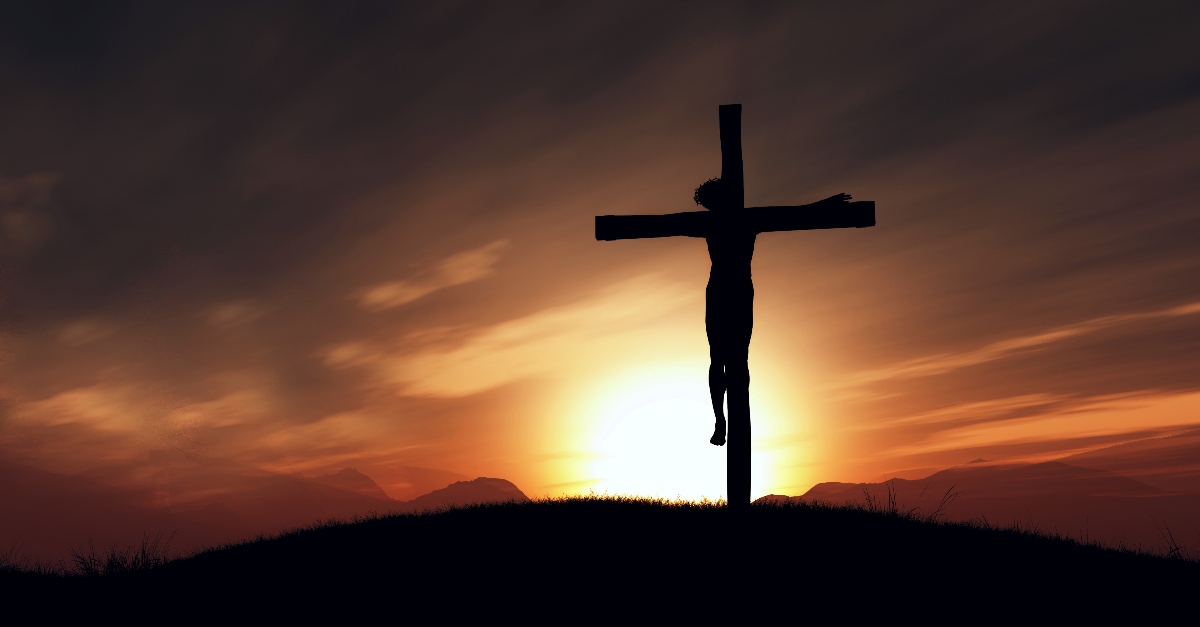
The crucifixion of Jesus Christ stands as the pivotal event in Christian theology, a moment of profound suffering and ultimate sacrifice. Yet, beyond the physical torment, it was during these final hours that Jesus uttered a series of powerful declarations – known as What Are The 7 Last Sayings Of Jesus from the cross. These aren't mere historical footnotes; they are windows into His heart, His mission, and the very nature of His redemptive work. From cries of spiritual agony to declarations of completed victory, these words illuminate the depth of His love, obedience, and the comprehensive nature of the salvation He secured.
For centuries, these poignant expressions have captivated believers, scholars, and artists alike. Composer Joseph Haydn was famously commissioned in 1783 to create a musical setting for these "Seven Last Words of Our Savior on the Cross," demonstrating their enduring impact. Even a contemporary poet like Ruth Padel, initially approaching the subject from a secular perspective, found herself grappling with their undeniable power. These sayings transcend their historical context, offering timeless truths about suffering, forgiveness, humanity, and divine purpose.
The Profound Significance of Jesus' Last Words
The final words spoken by anyone carry immense weight, often encapsulating their life's philosophy, deepest affections, or final wishes. For Jesus, these seven sayings offer an unparalleled glimpse into His identity as both fully divine and fully human, navigating the most excruciating suffering imaginable. Recorded across the Gospels of Matthew, Luke, and John, each saying reveals a distinct facet of His sacrifice, creating a rich tapestry of theological meaning.
Understanding these utterances is crucial for comprehending the complete picture of Christ's atonement. They are not random exclamations but intentional, spirit-filled pronouncements that fulfill ancient prophecies, demonstrate His unparalleled character, and confirm the absolute efficacy of His redemptive mission. Together, understanding Jesus' Seven Last Sayings from the Cross unpacks the core of Christian faith, inviting us to respond with faith and gratitude.
Decoding What Are The 7 Last Sayings Of Jesus
Let's delve into each of these powerful statements, exploring their context, meaning, and the profound revelations they offer regarding Jesus' sacrifice.
1. "My God, My God, Why Have You Forsaken Me?" (Matthew 27:46)
In this agonizing cry, "Eli, Eli, lema sabachthani?", Jesus expresses the deepest form of human anguish: feeling abandoned by God the Father. This statement is a direct quotation from Psalm 22:1, fulfilling Old Testament prophecy and highlighting the spiritual dimension of His suffering. While Jesus was always one with the Father, at this moment, as He bore the full weight of humanity's sin, the perfect communion was severed. This wasn't merely a feeling of loneliness; it was the cosmic cost of sin, where the sinless Son became sin for us, experiencing the separation that sin imposes. It reveals the terrifying cost of atonement – that Jesus fully embraced the spiritual darkness we deserved, making His sacrifice complete.
2. "Father, Forgive Them, For They Know Not What They Do" (Luke 23:34)
Amidst the jeers and cruelty of His executioners, Jesus' first recorded words from the cross are an act of profound mercy and intercession. He prayed for His persecutors, acknowledging their ignorance of the cosmic crime they were committing by putting the Son of God to death. This saying exemplifies radical love and forgiveness, setting an impossible standard for His followers. It underscores that His sacrifice was not merely a transaction but an act of infinite compassion, demonstrating that forgiveness is at the very heart of God's character, extended even to those who oppose Him.
3. "Truly, I Say to You, Today You Will Be With Me in Paradise" (Luke 23:43)
Next to Jesus, one of the criminals crucified with Him offered a plea for remembrance. Jesus' response was an immediate, unqualified promise of salvation. This declaration speaks volumes about the nature of saving faith – not dependent on a lifetime of good deeds, but on a sincere turning to Christ, even in the final moments. "Paradise" here signifies the presence of God, assuring immediate access to spiritual bliss. This saying offers immense comfort and hope, revealing that Jesus' sacrifice instantly opens the way to eternal life for all who believe, demonstrating the power of grace over law.
4. "Father, Into Your Hands I Commit My Spirit" (Luke 23:46)
As death approached, Jesus uttered this profound statement of trust and submission, echoing Psalm 31:5. This was not a cry of despair but a conscious act of handing over His spirit to the Father, indicating His active participation in His own death and His unwavering confidence in God's sovereign plan. It reflects ultimate obedience and the assurance that death was not an end but a transition into the Father's care. This reveals His sacrifice as a willing act of submission, a confident surrender to the divine will, even unto death.
5. "Woman, Behold Your Son! ... Behold Your Mother!" (John 19:26-27)
Even in His deepest agony, Jesus demonstrated remarkable human concern for His mother, Mary, and His beloved disciple, John. He ensured Mary's care, entrusting her to John's guardianship. This poignant moment highlights Jesus' profound humanity and His unwavering love for His family. It shows that His divine mission did not negate His earthly responsibilities or compassion. It reveals that His sacrifice, while cosmic in scope, was also deeply personal and rooted in human relationships, modeling selfless care even in suffering.
6. "I Thirst" (John 19:28)
This simple, yet powerful, statement encapsulates Jesus' intense physical suffering. It reveals His complete humanity, experiencing the agonizing dehydration common to crucifixion victims. It also fulfills Old Testament prophecy from Psalm 69:21, which speaks of receiving sour wine for thirst. Jesus, who offered living water, subjected Himself to extreme physical deprivation to fully identify with humanity's suffering and to fulfill every detail of scripture. This highlights the gritty, physical reality of His sacrifice, confirming that He truly suffered in every human dimension.
7. "It Is Finished" (John 19:30)
These final words, "Tetelestai" in Greek, are often misunderstood as a sigh of defeat. On the contrary, they are a triumphant cry of victory! In ancient times, "Tetelestai" was written on receipts to signify that a debt had been paid in full. Here, Jesus declares that His mission—the atonement for humanity's sins, the fulfillment of all prophecies, and the defeat of sin and death—was complete. There was nothing more to be done; the sacrifice was perfect and sufficient. This definitive statement is the cornerstone of the Christian faith, signifying the completeness and effectiveness of His work on the cross. It means our debt is paid, once and for all.
The Enduring Legacy: Why These Words Still Matter
The seven last sayings of Jesus are more than just historical records; they are living testaments to the character of God and the transformative power of the cross. They challenge us, comfort us, and invite us into a deeper relationship with our Savior. For the Seven Last Sayings of Jesus: Love, Anguish, and Obedience converge to paint a picture of unparalleled devotion.
- A Call to Forgiveness: Jesus' prayer for His enemies compels us to examine our own hearts. Can we extend grace and forgiveness to those who have wronged us, remembering that Jesus forgave those who knew not what they did?
- A Foundation for Faith: The promise to the repentant criminal underscores that salvation is a gift received through faith, not earned through works. It offers profound assurance that even in our final moments, God's grace is available.
- An Example of Love and Compassion: Jesus' concern for Mary and John, even in His agony, teaches us that love and care for others remain paramount, regardless of our circumstances.
- A Declaration of Victory: "It is finished" provides ultimate comfort and security. It means that the full payment for our sins has been made, and we can rest in the completed work of Christ, free from the burden of guilt and the fear of condemnation. There's no need for us to try to earn our salvation; it has already been secured.
- An Invitation to Trust: Jesus' surrender of His spirit to the Father models profound trust and obedience, reminding us to place our lives, fears, and futures into God's capable hands.
These sayings continue to resonate through centuries, inspiring countless sermons, works of art, and personal reflections. They are a constant reminder of the incredible depth of God's love and the radical nature of Jesus' sacrifice. By meditating on these final words, believers can gain a richer appreciation for the redemption offered and find strength to live lives that reflect the very heart of Christ.
In conclusion, What Are The 7 Last Sayings Of Jesus from the cross offer an irreplaceable revelation of His sacrifice. They unveil His humanity in suffering, His divinity in authority, His compassion in forgiveness, and His victory in completion. From the agony of abandonment to the triumph of "It is finished," these words are a timeless invitation to respond to His sacrifice with unwavering faith, embracing the profound grace and redemption He secured for all humanity.